

Reading time
5
min
What is DevOps?
* Recently, Facebook developed and implemented Rsys Library, a new video library that reduces data size and transmits images with better quality;
* The project was built on WebRTC, a library developed in 2011 and used by most browsers and native apps;
* The new library is faster and should bring new features to Facebook apps, as well as possible implementation in the company’s web services.
-
To improve user experience across its social networks, Facebook’s engineering team developed a new WebRTC library to implement in its apps (Facebook, WhatsApp, and Instagram).
Called Rsys Library, the project aims to improve voice and video call quality by compressing data even further, making the process lighter—especially for people using mobile networks or with limited data plans.
Using the WebRTC API as a base, Facebook was able to build the free calling feature that is now deeply established in its services. Until now, however, the Menlo Park giant had not built a major evolution of that technology.
According to Facebook, the original goal was to deliver the richest possible experience for users.
That’s how video calls were added, along with group calls and more complex augmented reality effects across its apps.
Over time, as the number of users on the platforms grew significantly, the older library became outdated and more complex for developers, increasing the incidence of bugs.
As a result, Rsys was developed as a complete redesign of the traditional WebRTC Facebook had been using, simplifying a large part of the company’s processes.
Want to understand what really changes with the Rsys Library rollout?
See the details below.
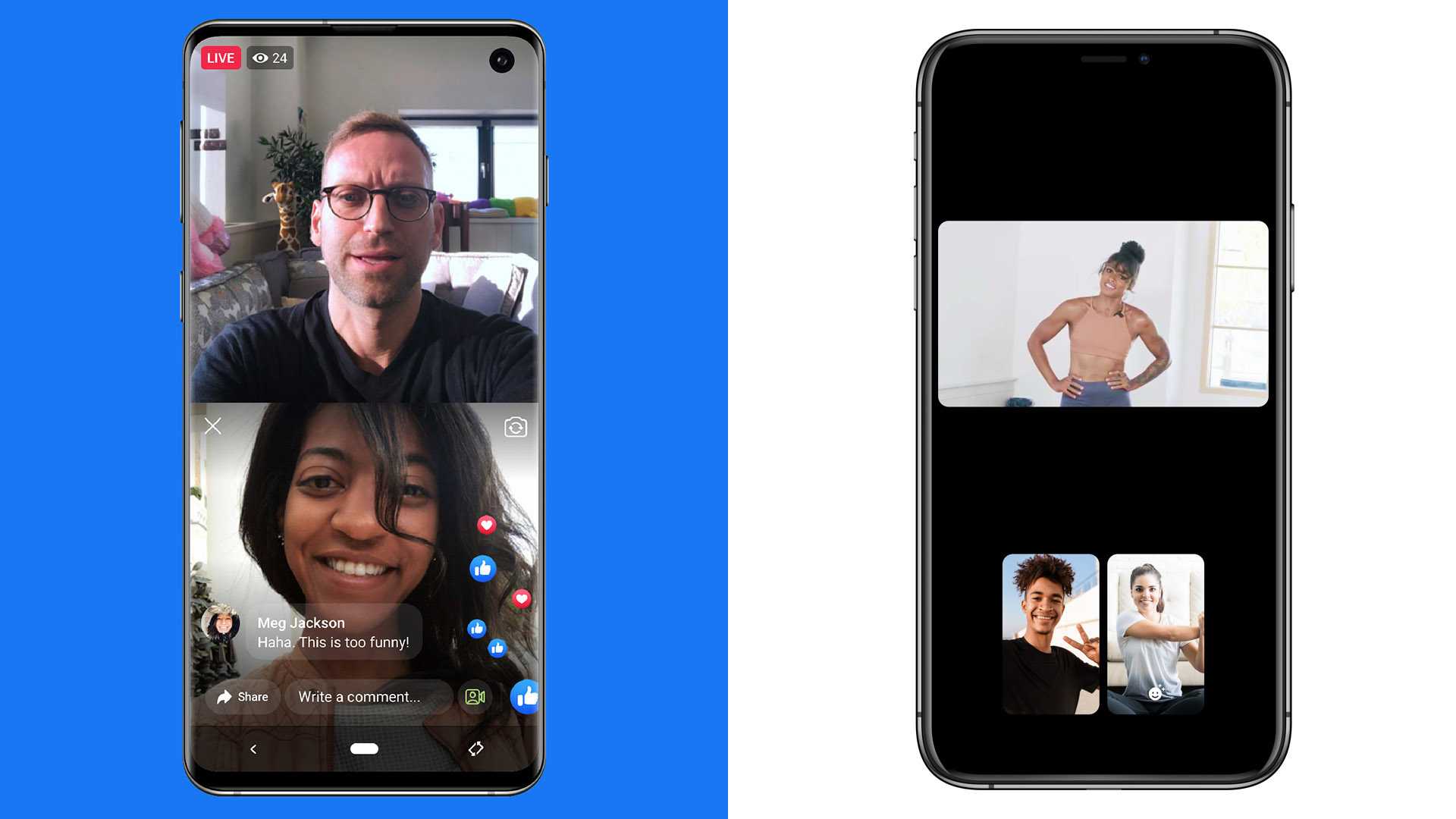
WebRTC (Web Real-Time Communications) is an open-source API originally developed by the World Wide Web Consortium (W3C) around 2011 and later implemented by Google in its services.
The project gained traction and was adopted by app development companies because it enables browsers and apps to run phone calling, video calling, and peer-to-peer sharing without additional plugins.
WebRTC also allows audio and video capture and transmission through apps and browsers that use the library, without additional costs for users (as often happened in the past).
That means companies that use these capabilities—such as Facebook across its social apps—can easily add real-time communication features, as seen in WhatsApp, Instagram, and Facebook Messenger.
WebRTC supports video and voice data transmission between users and allows developers to build even more powerful and specialized communication solutions, since it is open source.
According to the library’s official website, the technology is already established and available in all major modern browsers.
Behind the scenes, it relies on common web technologies such as JavaScript.
And for developers building native apps for Android and iOS, the project provides the same functionality and is supported by major Silicon Valley companies, including Apple, Google, and Microsoft.
According to Facebook, Rsys has a simple goal: be lighter, more compact, and faster to load.
These characteristics matter especially for development teams, since a smaller library is easier to manage, update, test, and optimize.
This complete redesign of WebRTC was one of the only ways Facebook found to make the system lighter while still preserving all the features that were added over the years.
Because the previous library was outdated, it could not support different device types and was limited to Android and iOS.
In addition, conventional WebRTC consumed a lot of memory, making devices slower while using the features.
According to Facebook engineering data, Rsys Library is estimated to be 20% lighter than the previous library model.
Even though that may seem small, this improvement should significantly increase processing speed during video calls and when using augmented reality features.
And while Facebook previously focused only on Android and iOS, it now expects to expand to MacOS, Windows, and Linux users, as well as lighter apps like Facebook Messenger Lite.
By implementing Rsys Library to replace the older video library, Facebook can bring features from its native apps to new platforms and operating systems.
How?
Recently, Facebook said it included the traditional voice and video calling features in its testing for web platforms such as WhatsApp Web.
Rsys makes this transition easier, because it is lighter and supports a broader range of systems while delivering these features.
According to Facebook, building a new API also created a stronger foundation for deeper integration between its apps—something that has been happening for some time, but that could not be fully consolidated due to limited resources.
With Rsys Library, the company can be expected to move faster in developing new features, user interactions, and experiences involving augmented reality and virtual reality.
Especially with 5G reaching many countries in 2021, these features should remain strong trends in the coming years, since they require high-speed connections to work properly.


