

Reading time
5
min
What is DevOps?
The number of smartphones in Brazil reached 168 million in 2016. If we also consider other devices—such as tablets and smartwatches—it becomes clear that you need to offer your service, or at least present your startup, through a mobile app.
However, when it’s time to develop an app, a common doubt among entrepreneurs is about native vs. hybrid apps.
“After all, which one is best for my startup?”
A native app is built using a programming language specific to a platform, such as Android or iOS. Its biggest advantage is that, by “speaking the same language” as the device’s operating system, it is much closer to the hardware and can therefore explore features more deeply—such as sensors, cameras, geolocation, and more.
Because of this easier access to hardware, native apps are generally used more often for game development.

Contrary to what many people imagine—and what some companies with ulterior motives may claim—native apps do not necessarily perform better than hybrid apps.
That could have been true a few years ago, in the early days of hybrid apps. Today, with more recent technologies, they can be just as fast as native apps.
In fact, in some cases hybrid apps can be even more advantageous than native ones. That’s because hybrid languages—i.e., compatible with multiple operating systems—also enable web apps, as is the case with Slack, Trello, and practically every social network that exists today.
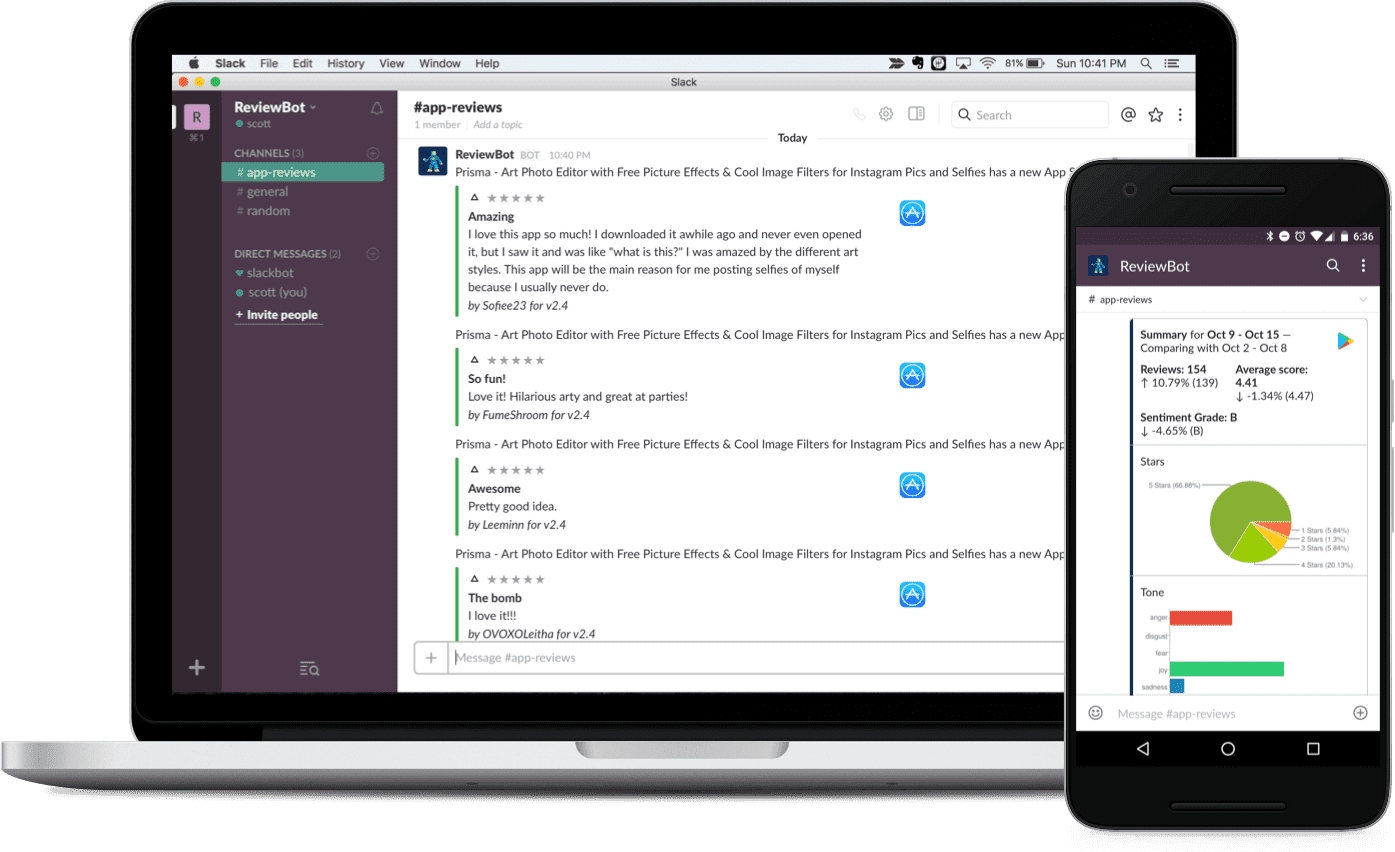
In hybrid apps, integration with device features depends on a framework that acts as an intermediary. That’s why the market often separates hybrid app developers from native app developers.
Both approaches require specific knowledge and, with all the other variables involved, it’s incorrect to say one is better than the other.
As with any technology decision, app quality depends far more on the quality of the developers than on the development format itself.
Now that we understand the differences between native and hybrid apps, we can conclude that choosing the technology used to build your startup’s app basically depends on its features.
If the goal is to develop games or apps that require more advanced capabilities and depend heavily on the device’s hardware, native apps are usually the best option.
But if that’s not the case, choosing hybrid apps can allow your product or service to be reproduced on other platforms beyond smartphones—such as the web apps mentioned above.
Regarding price, it’s very difficult to say what will be more expensive or cheaper based only on choosing between native and hybrid.
When in doubt, the best approach is to contact a specialized company. Only by understanding your company and what you want to achieve with the app is it possible to recommend—confidently—the best option for your startup.
Not only in terms of cost, but also in terms of quality and strategic effectiveness.
If you still don’t know whether you should choose native or hybrid apps, don’t hesitate to contact X-Apps. We specialize in developing with both approaches and can, through a multidisciplinary team, find the best solution for your startup.


