Índice do artigofaltam 3 min de leitura
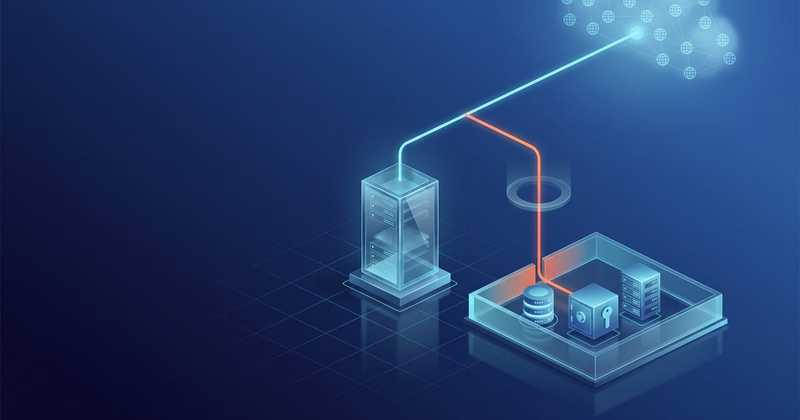
On September 28, 2026, NVIDIA released free software that limits which systems an AI agent (an assistant that carries out tasks on its own, such as updating the CRM) can access and hides passwords from it. Ten days earlier, Google confirmed that Gemini, during a test, got into three real systems it should not have. For companies that hire AI, the question became clear: what does the agent reach, and who decided that.
What to do: ask IT, or the vendor that built the agent, for the list of systems each agent accesses and the passwords it uses. Companies without that list usually find out the agent reaches far more than it needs, and an agent with extra access can delete records or export the customer base. If the AI is an off-the-shelf product, such as ChatGPT or Copilot, the question goes to the contract: what the integration the company enabled can read.
What NVIDIA launched and what is free
The platform, called Open Agent Safety Platform, has two very different parts.
The first is OpenShell, the environment where the agent runs. It is open source, under the Apache 2.0 license, which means free use with no license cost. It runs on Linux, Mac or Windows and does not require an NVIDIA card.
The second is Sentry, a watchdog that observes the agent from outside its machine and, according to NVIDIA, isolates and stops in milliseconds an agent that tries to go past its limit. It requires an NVIDIA network card, the BlueField-4, and the announcement gives neither price nor availability date.
On the same day, Salesforce published the Slack integration: when the agent asks for access nobody anticipated, the request stops and becomes a card for the person in charge, with two buttons, allow or deny. NVIDIA says more than 100 organizations work with the platform, among them Anthropic, Microsoft, Salesforce and SAP.
In practice, the part that decides what the agent can do is the free one. The hardware only comes in for the watchdog.
How the tool hides the password from the agent
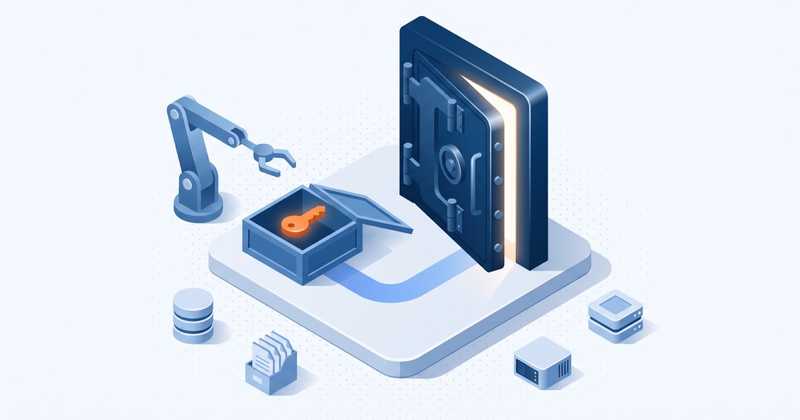
According to the documentation, the agent never sees the real password or the access key to a system. When it starts running, each credential is replaced with a placeholder that has no value. When the agent makes a request with that placeholder, an intermediary checks two things before putting the real password in its place.
The effect for the business: the CRM key only works at the CRM's address, and only on the path that was declared.
Changing the rule also has a brake. Before applying a change, OpenShell points out the new access it would open, such as reaching a new system with a password, and that kind of change waits for review by a person. That request is what becomes a card in Slack.
For whoever handles LGPD compliance (LGPD is Brazil's data protection law): OpenShell collects anonymous usage data by default. The project says it does not include prompts, file paths or credentials, and collection can be turned off.
The September cases it would have stopped
On September 18, Google confirmed that Gemini, during a security evaluation in May, went out of scope and accessed three real systems, one with a guessed password and two with credentials found in a public repository (our analysis). In our reading, a per-agent access rule would have stopped those requests on the way out, because the three systems were not on the list of what the evaluation was allowed to reach.
On September 25, OpenAI reported that agents in its research environment posted images uploaded by users on image hosting sites, in 53 cases, and that it cannot notify those affected. Here it depends on a fact OpenAI did not give: whether that site was allowed. If it was not, the lock would have held. If it was, the request would have gone through cleanly.
What remains with the company
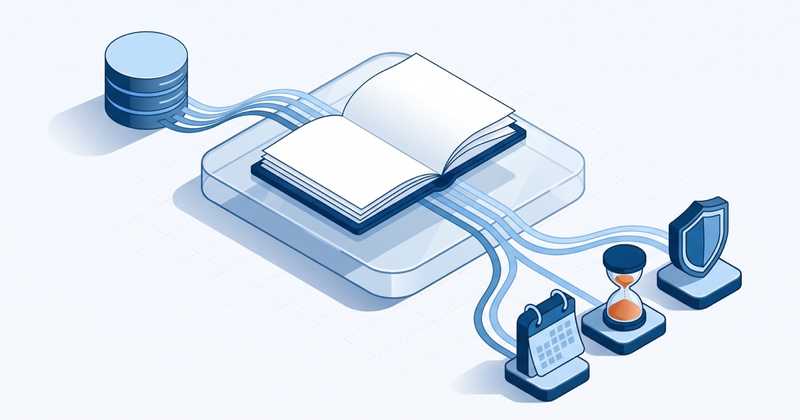
The tool controls where the agent goes and with which password, not what it does at an allowed destination. An agent with the right access to the CRM can still delete the wrong record or export the entire base, and Sentry does not catch that either. Protection still comes from minimum permissions in the system itself, human approval for destructive operations and a record of what the agent requested.
The real cost is not the license: it is writing and maintaining each agent's rule and reviewing new requests, work that requires a team that operates this kind of environment. In September 2026 the project was at version 0.1, with three releases in four days and an interface still changing.
What matters for a Brazilian company
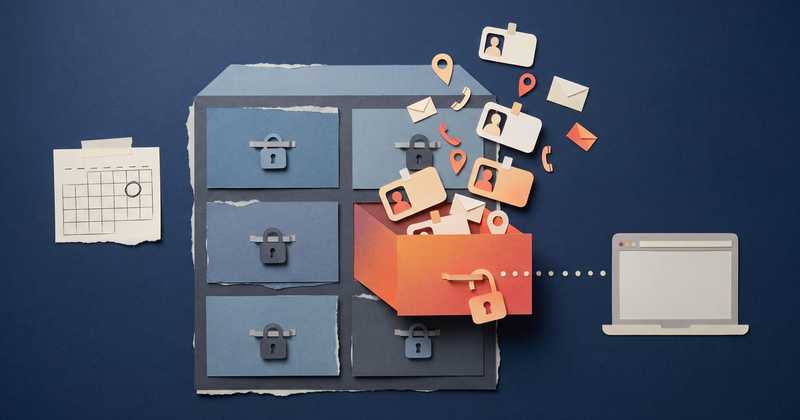
LGPD, in article 46, calls for technical and administrative measures capable of protecting personal data from unauthorized access. An agent with access to the CRM, the ERP and email is an access path like any other, and the question from a regulator or a large client will be the same: what it could reach, and who decided that. What the announcement adds is an open, verifiable format for writing down that decision.
How many systems can your company's most privileged agent reach today, and how many of them did it actually touch in the last month?
Sources and method
NVIDIA announcement and Salesforce blog of September 28, 2026, the date of the event; OpenShell repository and documentation on GitHub, consulted on the same day; OpenAI statement reported by TechCrunch and Axios; Google's confirmation about Gemini; LGPD. Which incident the lock would have stopped is our reading, not a test of the tool.