Índice do artigofaltam 6 min de leitura
It is not news that artificial intelligence makes things up. The news is that legal tools built specifically to prevent it still make things up between 17% and 33% of the time.
Everyone has heard that AI hallucinates. The problem is that this sentence became so common that it stopped driving decisions: it sounds like a generic defect, the kind the next version fixes, and the subject dies there.
This article is about the part that didn't die. There is now a public record of 2,289 court decisions involving AI-fabricated citations, and there is academic measurement of how often commercial legal tools still get it wrong after all the effort to prevent it. With those two numbers in hand, the question changes from "does AI make things up?" to a much more useful one: what in your process catches the fabrication before it leaves the company?
Article summary
- A public database recorded 2,289 court decisions with AI-fabricated citations on November 10, 2026, against 1,962 at the end of August, and it essentially counts the cases the court noticed.
- Searching the case database before answering reduces but does not eliminate the problem: 17% and 33% hallucination in two leading legal tools, against 43% for a general-purpose model.
- The tool that made things up least was the one that most often failed to answer. Both errors are real and you choose which one you prefer.
- The control that works is not human review at the end: it is resolving each citation against the official database before the text reaches anyone.
What is already on record in the courts
The case that became a symbol dates from June 2023, in the United States. In a lawsuit against the airline Avianca, a brief presented six decisions that simply did not exist. The court imposed a US$ 5,000 fine, and the story went around the world as an anecdote.
It stopped being an anecdote. Researcher Damien Charlotin maintains a public database cataloging court decisions involving AI-fabricated material, updated daily.
Source: the "AI Hallucination Cases" database by Damien Charlotin, updated on November 10, 2026. In the August 26, 2026 reading, presented in St. Gallen, there were 1,962 decisions: the database gained more than 300 cases in less than three months.
Two details of this number matter more than the number itself. The first is that it counts essentially the cases in which the court found or indicated the use of invented material (the database admits a few exceptions where AI use was alleged without confirmation). Every case nobody noticed is left out, which makes 2,289 a floor, not a total.
The second is that the database is maintained by one person, which says less about their dedication and more about how easy it has become to find these cases.
What this unlocks for decision makers: the risk has left the hypothetical realm and entered the documented one. That changes the conversation with legal, compliance and insurance, because there is now precedent for what happens when checking fails.
Searching the case database reduces fabrication, but doesn't eliminate it
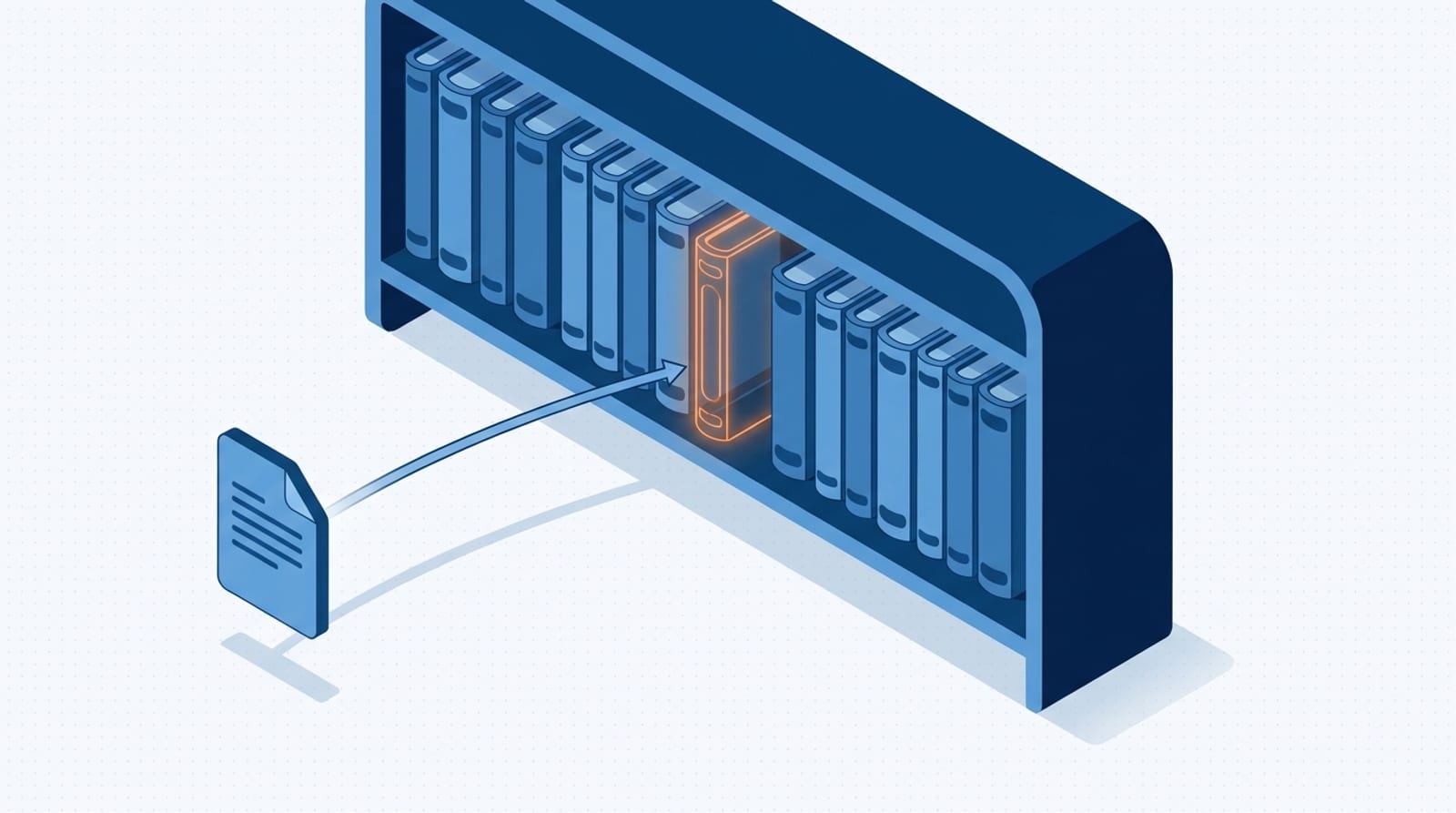
The market's technical answer to the problem was to fetch the document before answering: the system searches the legal database, hands the passages to the model and asks it to answer only on that basis. It is the architecture behind the legal products of the world's two largest legal publishers.
Stanford researchers measured the result with 202 pre-registered queries, on the 2024 product versions, and published it in the Journal of Empirical Legal Studies.
Source: Magesh et al., Journal of Empirical Legal Studies 22(2), 2025, on 2024 product versions.
The correct reading has two parts, and both count. Searching the database worked: it cut the error by half or more compared with a general-purpose model. And searching the database did not solve it: one in three answers from one of the tools still contained hallucinated content, in a product sold precisely with the promise of eliminating the problem.
It is worth noting these are 2024 versions and the products have evolved since. What doesn't age is the methodological lesson: a vendor who promises zero is not describing the system's behavior, they are describing its intent.
The tool that made things up least was the one that most often didn't answer
Hidden in the same study is a result that almost never makes the headlines, and it is the most useful for designing a process. Besides measuring hallucination, the researchers measured incomplete answers, that is, cases where the tool did not deliver what was asked.
The product with one of the lowest fabrication rates had, by far, the highest incomplete answer rate: about two thirds of queries. And the general-purpose model, which made things up most, was the one that least often failed to answer.
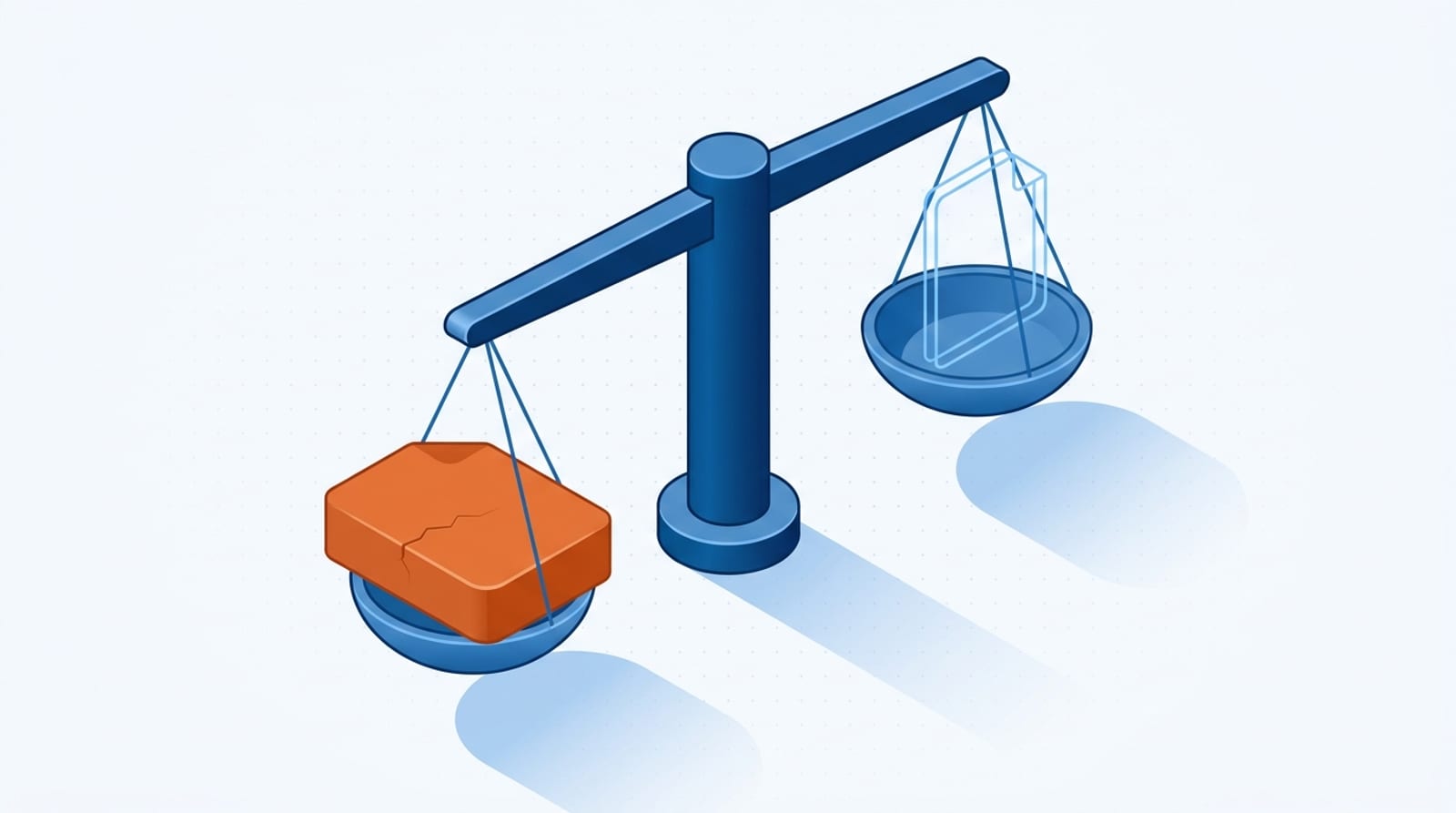
This is no coincidence; it is the same dial. A system becomes more cautious and makes up less, but starts returning "not found" more often. It becomes more assertive, always answers, and the bill comes due in invented citations.
For those choosing a tool, this means there is no error-free option; there is a choice of which error you prefer to absorb. In legal research, the right answer is almost always to prefer silence: a "not found" costs a manual search, and an invented citation costs credibility in court.
The problem is that almost no system is configured to prefer silence, and there is a measured reason for that.
The model guesses precisely where guessing costs the most
In August 2026, an evaluation of 17 open models used a scoring system that changes everything: +1 for a correct answer, 0 for abstaining, -1 for an error. It is the same logic as a test that penalizes guessing, and it is the correct logic for legal work, where a wrong answer costs more than no answer.
In the hardest setting, with sixteen options, only 1 of the 17 models scored above zero. All the others lost more points guessing than they gained by being right.
What this unlocks: "I don't know" is a feature, and it has to be specified like any other. We cover the mechanics of that decision, applied to internal assistants, in Why your company's AI assistant answers wrong.
The control that catches fabrication before it goes out
Human review at the end is not a control; it is hope. The reviewer reads a coherent, well-written, plausible text, with citations in the correct format, and has no sign that the third reference doesn't exist. That is exactly the failure mode of the cataloged cases.
The control that works is mechanical and happens before anyone reads:
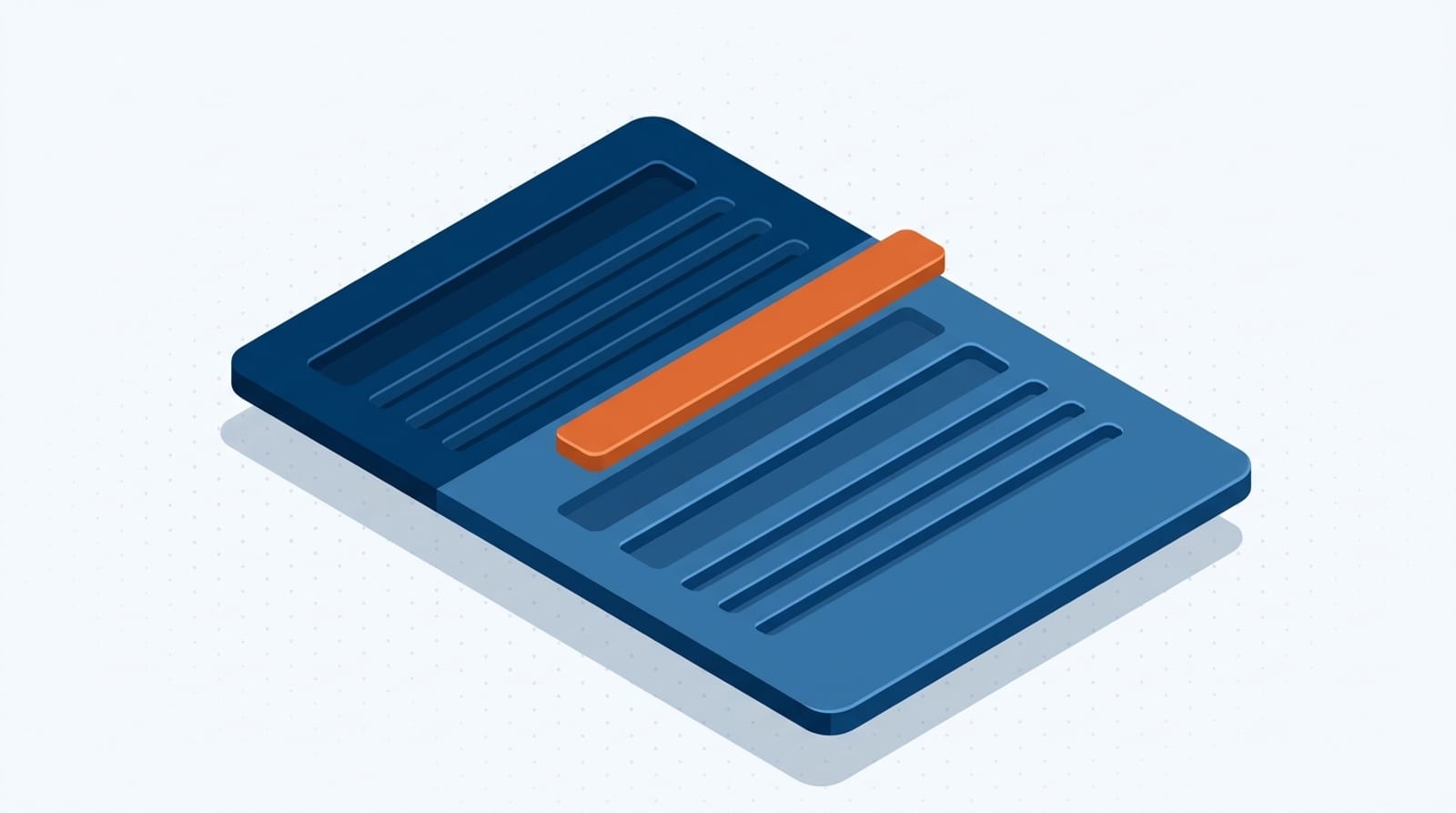
Step 3 is the one almost everyone skips, and it is where the most treacherous failure lives: the citation exists, the case is real, and the passage attributed to it says something else.
This passes any check that only confirms whether the case number resolves, because the number really does resolve. What doesn't exist is the sentence.
Step 4 changes the reviewer's work decisively. Looking for errors in a text that seems right is a task humans do poorly. Judging five items already flagged as suspicious is a task humans do well. It is the same person, with a different result, because the problem presented to them changed.
A caution about step 2: the database used to resolve the citation needs to say not only whether the rule exists, but which wording is in force. Open legislation text collections help find the rule, but may carry outdated wording marked as current, as we showed in An open database of Brazil's laws: can it be used for legal AI?.
What architecture solves, and what it doesn't
It is worth being explicit, because this boundary is where projects create wrong expectations and contracts turn into disputes.
Architecture solves
- Reducing how often the error happens, with numbers measured before and after
- Making the error visible instead of silent
- Lowering the cost of checking, which no longer means reading everything
- Leaving a trail of which document supported each statement
Architecture doesn't solve
- Eliminating the error, which remains possible in any configuration
- Transferring the responsibility of whoever signs the filing
- Replacing judgment about what the source that was found means
- Making up for an incomplete database: what isn't in the base isn't found
The right-hand column is not a legal footnote disclaimer; it is a project criterion. A system designed as if the left-hand column covered everything produces exactly the kind of case that ends up in Charlotin's database.
What to do before letting AI write something that will be filed
- Every citation resolves automatically against the official database, with no manual exception
- The quoted passage is checked inside the document, not just the case number
- What didn't resolve reaches the reviewer flagged, instead of diluted in the text
- The system has explicit permission to return that it found nothing
- It is written down who signs, who checks and what happens when the two disagree
The fourth item is usually the hardest to get approved, because an assistant that sometimes says "not found" looks worse in a demo. It is better in production, and the difference between those two moments is exactly what this article tries to anticipate.
Sources and method
This article is based on the talk "Fifty Years of Legal AI" by Dr. Joel Niklaus, presented at the AI & Legal Reasoning Conference at the University of St. Gallen on August 28, 2026, and on the primary sources it credits: the "AI Hallucination Cases" database by Damien Charlotin; the study by Magesh et al. published in the Journal of Empirical Legal Studies 22(2), 2025, with 202 pre-registered queries; Reuters' June 26, 2023 report on the Mata v. Avianca case; and the evaluation of open models on Swiss legal tasks published by Niklaus in August 2026.
The number of cases and the hallucination rates were checked against independent sources during research on September 1, 2026. On November 11, 2026, the Charlotin database count was updated to the November 10 reading (2,289 decisions, 41 in Brazil). LexisNexis, Thomson Reuters, OpenAI and Hugging Face are companies external to X-Apps, cited as objects of analysis and with no commercial relationship with us. This content is technical and informational and does not constitute legal advice.
Frequently asked questions
It reduces it, it doesn't eliminate it. In a Stanford study with 202 pre-registered queries on 2024 versions, Lexis+ AI hallucinated in about 17% of answers and Westlaw AI-Assisted Research in about 33%, against 43% for a general-purpose model.
A public database maintained by researcher Damien Charlotin recorded 2,289 decisions on November 10, 2026, in more than 40 countries and jurisdictions. Of those decisions, 41 are from Brazil. On August 26 there were 1,962. It essentially counts the cases in which the court found or indicated the use of invented material (with a few exceptions of alleged use), and does not record cases nobody noticed, so the real number is higher.
Because almost nothing in training penalizes it for guessing. In an August 2026 measurement with scoring that deducted errors, only 1 of 17 open models scored above zero in the hardest setting. The others guessed precisely where guessing was costly.
Resolving the citation against the official database automatically, before the text reaches the reviewer. Every reference must return a real document, and the quoted passage must exist in that document. Without that, checking depends on someone being suspicious.
Whoever signs the filing. Architecture reduces, measures and lowers the cost of the problem, but it does not transfer responsibility. No technical design changes who answers to the court.
Yes, as long as citations go through automatic verification and the tool is allowed to return that it found nothing. Both need to exist in the process, not in the vendor's sales promise.